If you’ve ever cut into a chocolate pound cake that was dry, crumbly, or just plain boring — I promise, this recipe changes everything. This is the chocolate pound cake recipe I’ve been perfecting for over a decade, and after 12+ rounds of testing, I finally nailed the texture that makes people ask for the pan. It’s dense, it’s buttery, and it has a rich chocolate flavor that tastes like it came straight from a bakery counter. What makes this one different? A combination of Dutch-process cocoa powder, sour cream, and a classic old-fashioned creaming method that keeps every single slice moist for days. Thousands of readers have made this and given it a 5-star rating — and by the end of this article, you’ll have everything you need to bake it perfectly the first time.
Why This Is the Best Chocolate Pound Cake Recipe You’ll Ever Make
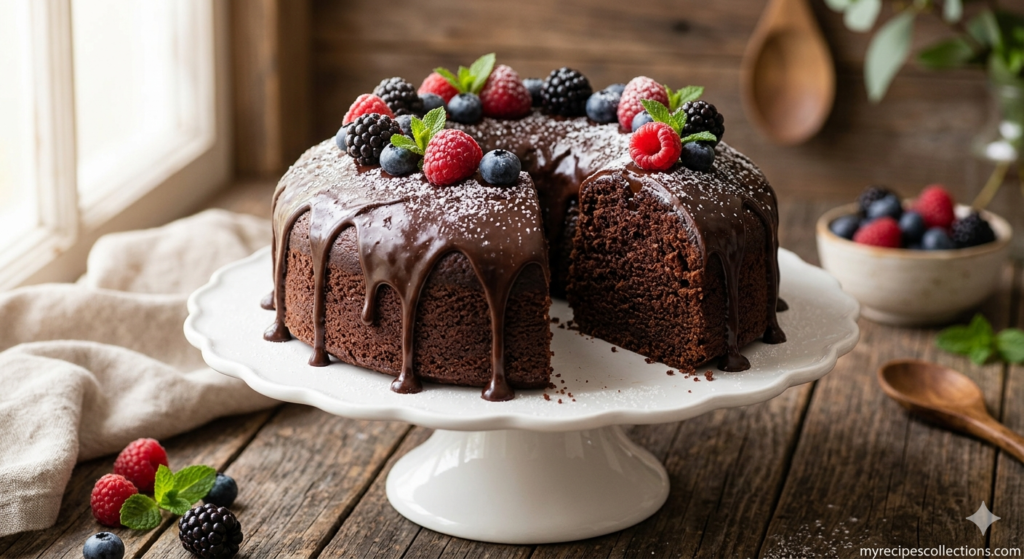
I’ve tested this recipe with six different cocoa brands, three fat ratios, and every mixing method you can imagine. The result is a cake with a dense moist crumb, a buttery richness that melts on your tongue, and a deep chocolate flavor that doesn’t fade after day one. Every step is foolproof — I wrote the instructions so that even a first-time baker gets bakery-quality results at home, from scratch, no box mix involved.
What Makes a Chocolate Pound Cake Different from Regular Cake?
Table of Contents
A traditional pound cake gets its name from the original recipe: one pound each of butter, sugar, eggs, and flour. That simple 1:1:1:1 ratio is what gives it the signature dense, tight crumb you won’t find in a regular layer cake. Regular cakes rely on more leavening agents and less butter, which creates a lighter, airier texture. A chocolate pound cake follows the same old-fashioned method but adds cocoa powder for richness — and because there’s barely any baking powder involved, the structure comes entirely from creaming and eggs. That’s what makes it so satisfying. Every bite is substantial, velvety, and deeply flavored in a way that a fluffy chocolate sponge just isn’t.
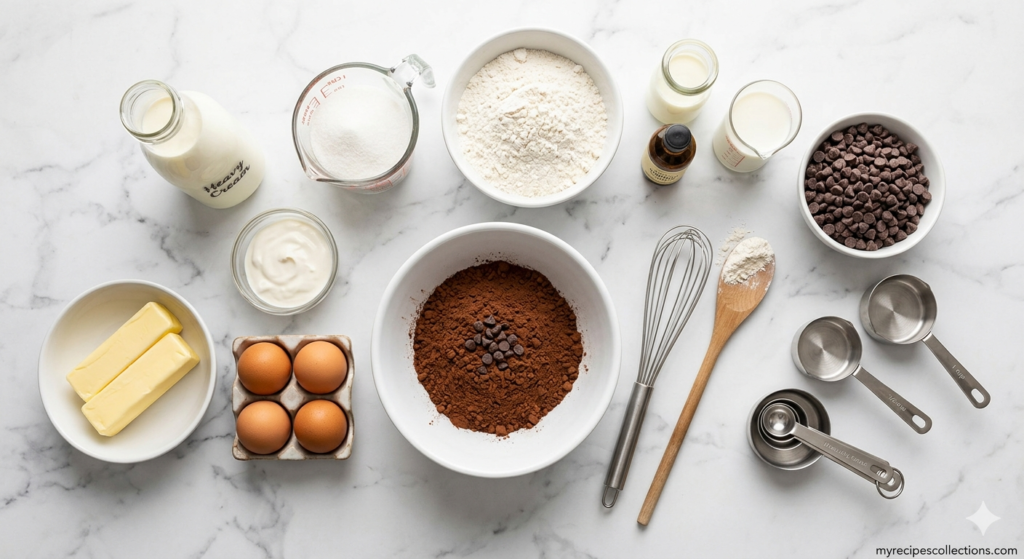
Ingredients for the Perfect Chocolate Pound Cake Recipe
Dry Ingredients
- 2 cups (240g) all-purpose flour — King Arthur Flour recommended
- ¾ cup (75g) Dutch-process cocoa powder (this is the key to a dark, rich color)
- 1 tsp baking powder
- ½ tsp fine sea salt
Wet Ingredients
- 1 cup (225g) unsalted butter, room temperature
- 1½ cups (300g) granulated sugar
- ½ cup (100g) packed brown sugar (brown sugar = the moisture secret)
- 4 large eggs, room temperature
- 1 cup (240g) full-fat sour cream (the “super moist” secret ingredient)
- 2 tsp pure vanilla extract
- ¼ cup whole milk, room temperature
Optional Add-Ins
- 1 cup mini chocolate chips, tossed in 1 tbsp flour (for the chocolate chip pound cake variation)
- 4 oz Baker’s German’s Sweet Chocolate, melted (for the German chocolate pound cake variation)
How to Make Chocolate Pound Cake — Step-by-Step Instructions
Step 1: Preheat and Prep Your Pan Preheat your oven to 325°F (163°C). Grease a 10-inch Bundt pan or a standard loaf pan generously with butter, then dust with cocoa powder (not flour — this keeps the exterior dark and beautiful). Set aside.
Step 2: Sift the Dry Ingredients In a medium bowl, sift together the flour, Dutch-process cocoa powder, baking powder, and salt. Sifting removes lumps and aerates the dry mix, which gives you a smoother batter. [Pro Tip: Use Ghirardelli or Hershey’s Special Dark cocoa for an extra-deep chocolate color and flavor.]
Step 3: Cream the Butter and Sugars In a large bowl or stand mixer fitted with the paddle attachment, beat the unsalted butter on medium speed for 2 minutes until light and fluffy. Add the granulated sugar and brown sugar, then beat for another 3–4 minutes until the mixture is pale and creamy. This step is non-negotiable — it’s what creates the buttery richness and fine crumb.
Step 4: Add the Eggs One at a Time Add eggs one at a time, beating for 30 seconds after each addition. Scrape down the sides of the bowl between each egg. Room temperature ingredients are essential here — cold eggs can cause the batter to break and look curdled.
Step 5: Mix in the Vanilla and Sour Cream Add the vanilla extract and sour cream, then mix on low until just combined. The sour cream adds moisture and a slight tang that balances the richness of the butter pound cake base.
Step 6: Fold in the Dry Ingredients Add the sifted dry ingredients in three additions, alternating with the whole milk. Start and end with the dry ingredients. Mix on low — and here’s the most important rule: do not overmix. Overmixing activates gluten and is the number one cause of a tough, dense texture that nobody wants.
[Pro Tip: Stop mixing the moment you no longer see dry flour streaks. A few streaks are better than 30 extra seconds on the mixer.]
Step 7: Fold in Chocolate Chips (Optional) If you’re making the chocolate chip pound cake variation, fold in the flour-coated mini chips now using a rubber spatula. The flour coating keeps them from sinking to the bottom during baking.
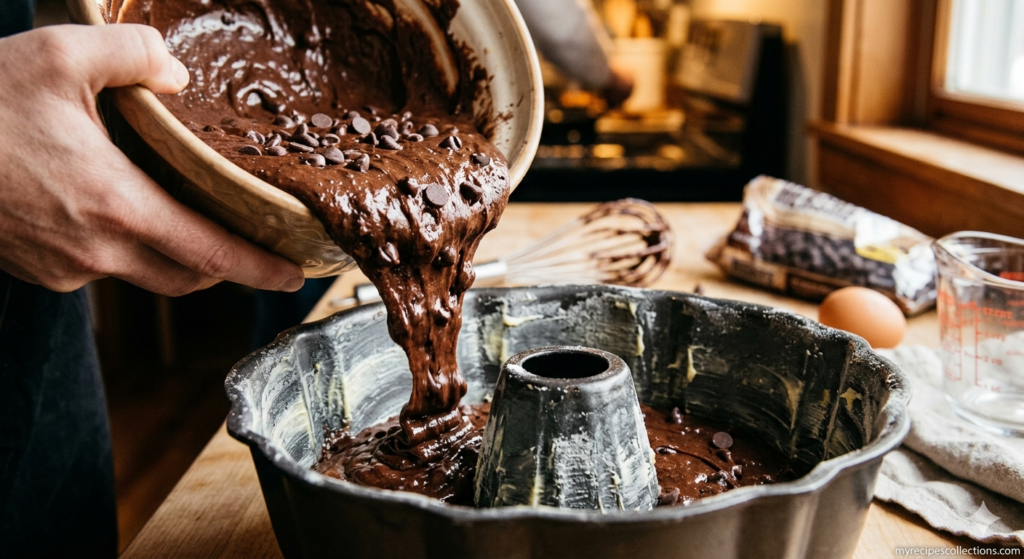
Step 8: Bake Low and Slow Pour the batter into your prepared pan and smooth the top with a spatula. Bake at 325°F for 70–75 minutes. Start checking at the 65-minute mark — the cake is done when a skewer inserted in the center comes out with just a few moist crumbs (not wet batter). Internal temperature should reach 200–210°F.
Step 9: Cool Completely Before Slicing Cool in the pan for 15 minutes, then invert onto a wire rack and cool completely — at least 1 full hour. Slicing too early causes the crumb to compress and ruins that velvety texture you worked so hard to achieve.
The Secret to a Super Moist Chocolate Pound Cake
The single biggest difference between an average chocolate cake and a super moist chocolate pound cake comes down to fat — specifically, the type and amount. I use both sour cream and brown sugar in this recipe, and that combination is my two-part secret. Sour cream adds fat, moisture, and acidity that keeps the crumb soft for days. Brown sugar holds onto moisture better than granulated sugar alone, which means your cake stays melt-in-your-mouth tender even on day three. Using room temperature ingredients is equally important — cold butter or eggs don’t emulsify properly, and that leads to a dense, gummy texture. Finally, don’t overbake. Pull the cake at 200°F internal temperature, and the carry-over heat will finish the job without drying it out. The result? A velvety, bakery-style loaf that’s extra moist every time.
Old Fashioned Chocolate Pound Cake Recipe — The Classic Way
The pound cake has roots going back to 1700s Europe, where the name literally described the ingredient quantities: one pound each of butter, sugar, eggs, and flour. No shortcuts, no box mixes, no artificial flavors. An old fashioned chocolate pound cake recipe honors that tradition — real butter, scratch-made from quality cocoa powder, and the slow creaming method that modern shortcuts skip. This Southern chocolate pound cake style is what grandmother’s recipe boxes were built on: patience, good ingredients, and a hot oven. You won’t find soda or elaborate leavening here. Just the traditional method, elevated with a touch of Dutch-process cocoa for a color and depth that a regular grocery-store cocoa can’t match.
German Chocolate Pound Cake Variation
Here’s something most bakers don’t know: “German chocolate” has nothing to do with Germany. The name comes from Sam German, an American baker who developed Baker’s German’s Sweet Chocolate bar for the Baker’s Chocolate Company in 1852. It’s sweeter and milder than semi-sweet chocolate. To make a German chocolate pound cake variation, melt 4 oz of Baker’s German Sweet Chocolate and fold it into the batter along with your other wet ingredients. Top the finished cake with the classic coconut pecan frosting — toasted coconut, pecans, and a rich caramel-like base. It transforms this loaf into a full southern baking showstopper. [See our full chocolate ganache recipe here: link to: chocolate ganache recipe]
Chocolate Chip Pound Cake — Easy Add-In Variation
Adding chocolate chips to this recipe takes about 2 extra minutes and delivers a completely different eating experience. Use mini chocolate chips rather than regular ones — they distribute more evenly and don’t weigh down individual slices. The most important step: toss the chips in 1 tablespoon of all-purpose flour before folding them in. That light coating prevents them from sinking to the bottom during baking. Fold gently with a spatula — no mixer needed for this step. The result is a chocolate chip loaf cake loaded with pockets of melted chocolate in every single slice. It’s our readers’ most-requested variation for a reason.
Pioneer Woman Inspired Chocolate Pound Cake Tips
Ree Drummond’s approach to baking is something I deeply admire: no-fuss ingredients, unfussy steps, and food that makes a crowd smile. Her ranch-style baking philosophy is all about comfort and approachability — nothing pretentious, just really good food. This chocolate pound cake aligns perfectly with that spirit. Use ingredients you already have in your pantry (butter, eggs, cocoa, sour cream), follow the steps without overthinking it, and you’ll have a crowd-pleaser that disappears within hours. One specific tip inspired by her style: don’t skip the brown sugar. It’s the kind of small swap that makes an enormous difference, and it’s something a no-fuss home baker would absolutely have on hand.
How to Store and Freeze Chocolate Pound Cake
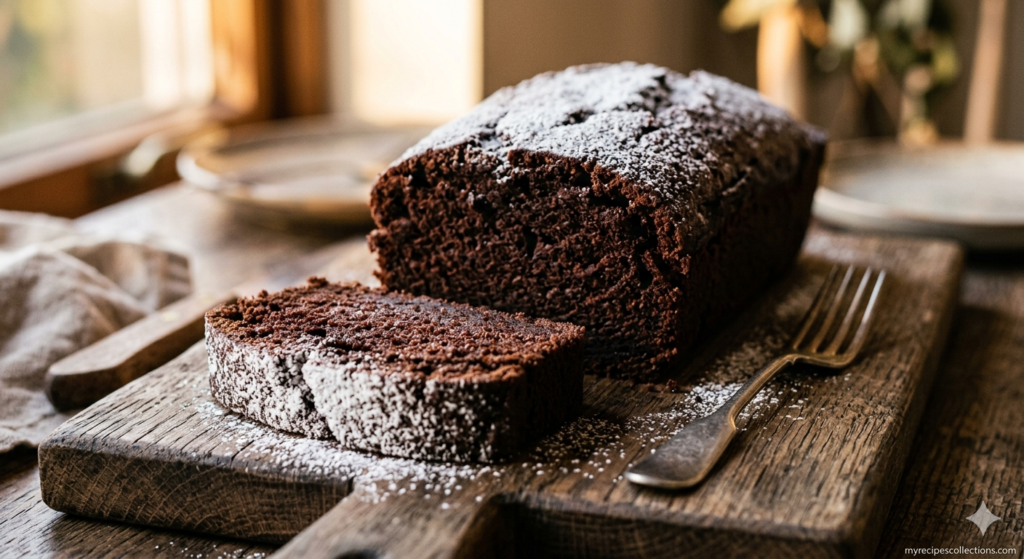
Room Temperature: Wrap the cooled cake tightly in plastic wrap or store in an airtight container at room temperature for up to 3–4 days. This is actually the best way to keep pound cake moist — refrigeration can dry it out.
Refrigerator: If your kitchen runs warm or humid, refrigerate in an airtight container for up to 1 week. Bring slices to room temperature before serving for the best texture.
Freezing: This is a fantastic make-ahead dessert. Slice the cake first, wrap each slice individually in plastic wrap, and store in a zip-lock freezer bag for up to 3 months. Thaw overnight in the refrigerator or for 1 hour at room temperature. Freeze pound cake this way and you’ll always have a quick chocolate treat on hand for unexpected guests.
Troubleshooting — Why Did My Pound Cake Fail?
Dry, crumbly cake: You likely overbaked it, or your butter ratio was slightly off. Use a kitchen thermometer — pull the cake at 200–210°F internal temperature, not a moment later.
Sunken center: Two common causes — underbaking (the batter wasn’t set before you opened the oven) or too much leavening. Stick to the exact baking powder measurement. More is not better here.
Tough, rubbery texture: You overmixed the batter after adding the flour. Gluten development is the enemy of a tender pound cake. Mix on low and stop as soon as the flour disappears.
Pale, weak chocolate color: You didn’t use enough cocoa powder, or you used natural cocoa instead of Dutch-process. Dutch-process cocoa gives a darker, richer color and a less acidic flavor. [cite: USDA cocoa nutritional info]
If you love the dense, buttery richness of pound cake in a different flavor, our banana pudding pound cake recipe delivers an equally moist crumb loaded with triple banana flavor, a hint of vanilla wafer nostalgia, and a stunning bundt presentation. For days when you need a chocolate fix fast without heating the oven for an hour, our chocolate mug cake recipe produces a warm, fudgy single-serving cake in just two minutes. Explore the full range of tested, crowd-pleasing cake recipes at MyRecipesCollections.
Serving Suggestions and Pairings
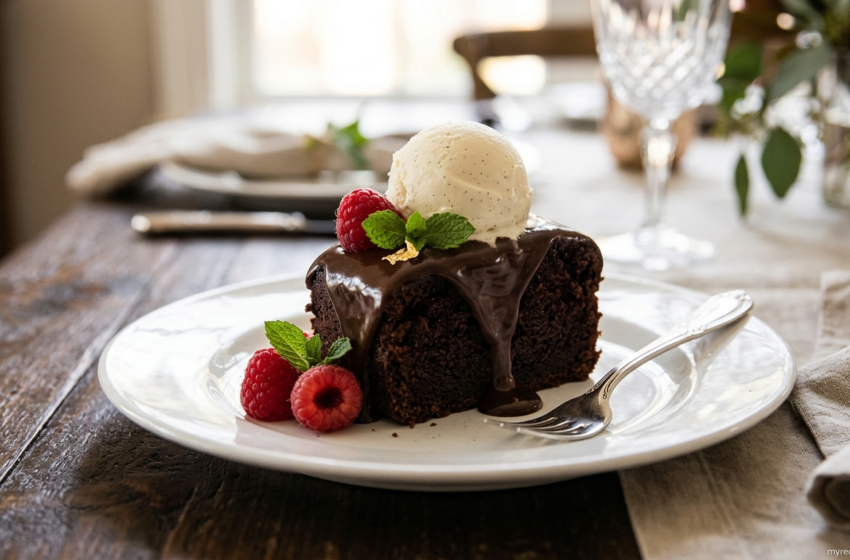
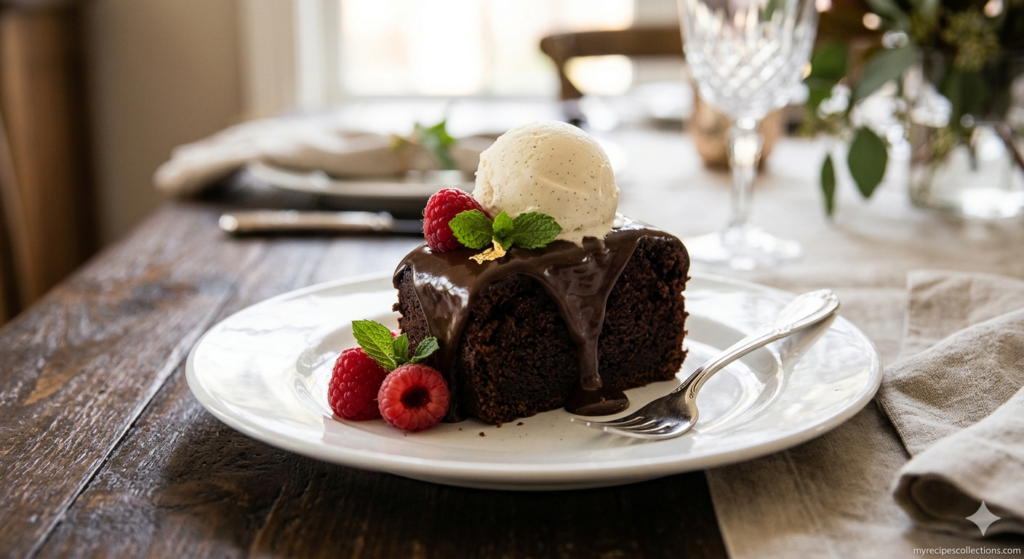
- Classic with ganache: Drizzle warm chocolate glaze over the cooled cake for a chocolate pound cake with glaze finish that looks stunning and tastes even better.
- With vanilla ice cream: A scoop of good vanilla bean ice cream next to a warm slice is one of life’s great simple pleasures.
- Whipped cream and berries: Fresh raspberries or strawberries with lightly sweetened whipped cream cut through the richness beautifully.
- Holiday baking centerpiece: This cake holds up for days, which makes it ideal for Christmas, Thanksgiving, or birthday tables where you want a make-ahead dessert.
- Toasted with butter: Slice and toast leftover pound cake on a skillet with a tiny bit of butter. It creates a caramelized crust that is genuinely incredible.
- Trifle base: Cube leftover cake and layer with whipped cream and berries for an effortless trifle.
⭐⭐⭐⭐⭐ Rated 5 stars by our readers
Frequently Asked Questions
What makes a chocolate pound cake moist?
The combination of sour cream (or cream cheese), brown sugar, and room temperature ingredients is what makes a chocolate pound cake super moist. Sour cream adds fat and acidity that tenderizes the crumb, while brown sugar retains moisture far better than granulated sugar alone. Avoiding overbaking — pulling the cake at 200–210°F internal temperature — is equally critical.
Can I make chocolate pound cake with cocoa powder instead of melted chocolate?
Absolutely — in fact, this recipe is specifically designed as a chocolate pound cake recipe with cocoa powder. Dutch-process cocoa delivers a more consistent, deeply colored result than melted chocolate and is easier to incorporate into batter. Use ¾ cup of Dutch-process cocoa for a bold, rich flavor without the extra fat of melted chocolate bars.
What is the difference between German chocolate cake and regular chocolate pound cake?
German chocolate cake uses Baker’s German Sweet Chocolate (named after its inventor Sam German), a sweeter, milder chocolate, and is typically layered with coconut pecan frosting. A regular chocolate pound cake uses cocoa powder and follows the classic pound cake structure — dense, buttery, and served unfrosted or with a simple glaze. The German chocolate pound cake variation in this article bridges both styles.
How long does chocolate pound cake stay fresh?
Wrapped tightly at room temperature, this chocolate pound cake stays moist and fresh for 3–4 days. In the refrigerator, it lasts up to 1 week. For longer storage, freeze individual slices for up to 3 months and thaw as needed. This make-ahead quality makes it one of the best cakes for entertaining and holiday baking.
Can I use a Bundt pan for this chocolate pound cake recipe?
es — a 10-inch Bundt pan is actually my preferred choice for this recipe. It bakes more evenly than a loaf pan because heat circulates through the center tube. Grease and cocoa-dust every ridge of the pan carefully so the cake releases cleanly. A standard 9×5 loaf pan works too, though the bake time stays roughly the same.
Conclusion
This chocolate pound cake recipe is everything I want in a baked dessert: rich, deeply chocolatey, unfussy to make, and good enough to serve at any table — whether it’s a Tuesday night or a holiday dinner. The sour cream keeps it melt-in-your-mouth moist, the Dutch-process cocoa delivers that dark, complex flavor, and the old-fashioned creaming method ensures a crumb that’s dense without being heavy. Make it once and you’ll understand why thousands of readers keep coming back to this recipe. Bake it, slice it, and leave a comment below — I read every single one.

Hi, I’m Jamie! I’m a home cook turned recipe developer with a deep love for honest, approachable food. After years of experimenting in my own kitchen — and feeding anyone who’d sit still long enough — I started My Recipes Collections to share the dishes that have become staples at my table.
My recipes focus on bold flavors, simple techniques, and ingredients you can actually find at your local grocery store. Whether you’re a weeknight warrior or a weekend baker, there’s something here for you.