


I still remember the first Sunday morning after my daughter was diagnosed with celiac disease. I stood in the kitchen holding a bag of rice flour, staring at a stack of pancake recipes — all of which called for all-purpose wheat flour. I wanted to give her the same golden, fluffy weekend breakfast she had always loved. What followed were months of testing, failing, and finally cracking the code on gluten free pancakes that are genuinely just as good as the real thing.
This recipe has been tested multiple times using three different GF flour brands, across varying griddle temperatures, and with feedback from celiac and gluten-intolerant readers like you. What you’re about to learn isn’t just a recipe — it’s a complete guide to understanding why gluten free baking behaves differently and how to make it work every time.
Table of Contents
Why Most Gluten Free Pancakes Fail — And How This Recipe Fixes Every Problem
If you’ve ever bitten into a gluten free pancake and found it dense, gummy, or oddly grainy, you’re not imagining things. Here are the three biggest culprits — and how this recipe solves each one:
- Gummy texture: This is the most common complaint and it almost always comes down to using too much starch in the flour blend, or undercooking the pancake. Rice flour and tapioca starch need sufficient heat to fully gelatinize. Cooking on too-high heat burns the outside while leaving the starch undercooked inside — exactly the gummy result you’re trying to avoid. Solution: use a 350°F griddle and cook low and slow.
- Flat pancakes: Gluten is what gives regular pancakes their structure. Without it, GF batter relies entirely on leavening agents (baking powder and baking soda) and eggs. If your flour blend contains xanthan gum already — and most do — adding more gums can actually weigh the batter down. Solution: measure your leavening carefully and rest the batter 5 minutes so it can activate.
- Grainy or gritty aftertaste: This almost always points to the flour blend. Blends heavy on sorghum flour or coarsely milled rice flour can leave a gritty finish. Premium blends like Bob’s Red Mill 1:1 or King Arthur Measure for Measure use finely milled grains and well-balanced starch ratios to eliminate this problem.
Ingredients for Perfect Gluten Free Pancakes
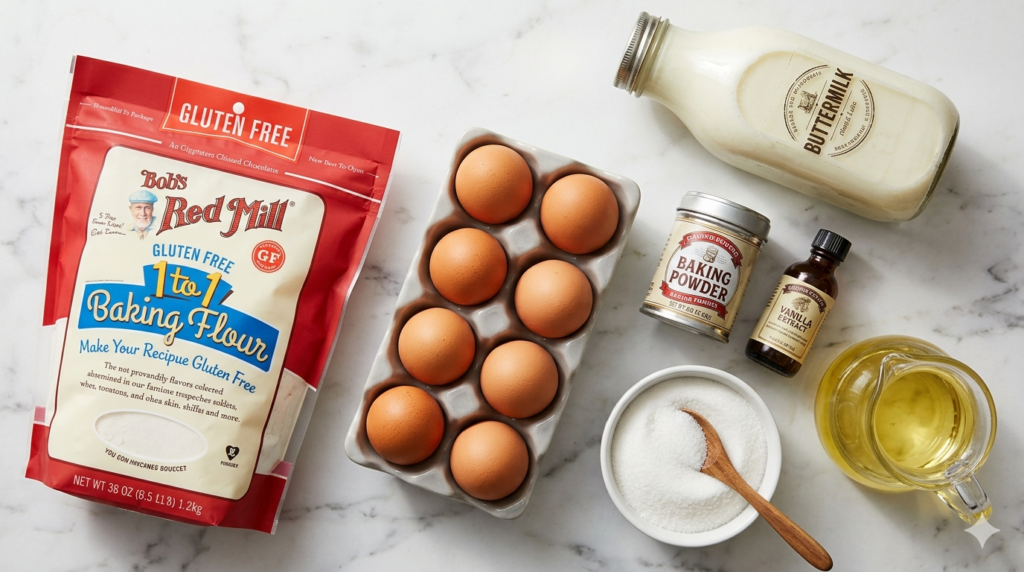
Every ingredient in this recipe serves a specific purpose. Unlike competitors who simply list ingredients, here’s why each one matters:
- GF All-Purpose Flour Blend: The backbone of the recipe. Not all blends are created equal. Bob’s Red Mill 1:1 Baking Flour is a top pick — it blends rice flour, potato starch, tapioca starch, and whole grain sorghum flour for a neutral flavor. King Arthur Measure for Measure delivers a slightly lighter texture, ideal for extra-fluffy results. Pillsbury Gluten Free Flour is a solid budget-friendly option. All three work in this recipe.
- Xanthan Gum: Most GF flour blends already contain xanthan gum, which mimics gluten’s binding and elasticity. If your blend doesn’t include it, add ¼ tsp per cup of flour. Without it, your pancakes will crumble. Some people use guar gum as an alternative — either works.
- Baking Powder + Baking Soda: These are your leavening agents. The double-action baking powder creates bubbles twice — once when mixed with wet ingredients, and again when heat is applied. Adding a small amount of baking soda gives extra rise, especially in the buttermilk variation.
- Eggs: Room temperature eggs incorporate more easily and trap more air for a lighter, fluffier pancake. Cold eggs can cause fat to solidify in the batter, resulting in dense, uneven texture.
- Milk or Buttermilk: Milk provides moisture and helps the batter flow. Buttermilk adds a tangy flavor, and its natural acidity reacts with baking soda to produce extra carbon dioxide — meaning extra lift. For a dairy-free version, plant-based milk (oat milk or almond milk) works beautifully.
- Oil or Melted Butter: Fat ensures moist, tender pancakes that don’t stick to the griddle. Butter adds richness; vegetable oil keeps things neutral and slightly lighter in texture.
- Vanilla Extract: Pure vanilla extract rounds out the flavor and masks any lingering starchiness from the GF flour. Don’t skip it.
- Sugar: Even just 2 tablespoons of granulated sugar helps browning, adds subtle sweetness, and balances the flavor profile. You’ll never taste it as “sweet” — it’s purely functional.
How to Make Gluten Free Pancakes — Step-by-Step Recipe
Yield: 8–10 pancakes | Prep: 5 min | Cook: 20 min
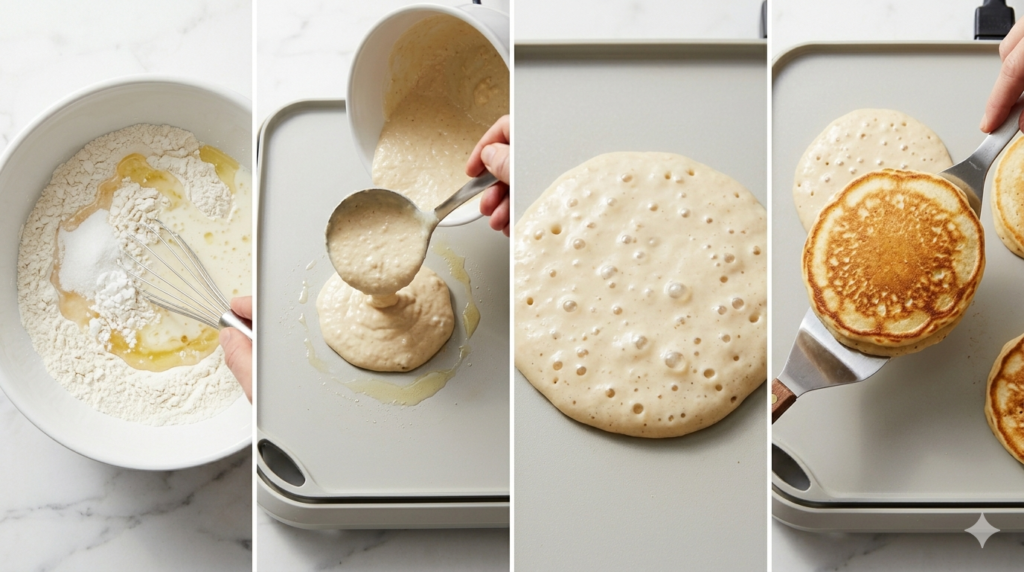
| RECIPE CARD: Classic Gluten Free PancakesPrep Time: 5 min | Cook Time: 20 min | Total: 25 min | Yield: 8–10 pancakes | Calories: ~145 per pancake INGREDIENTS• 1½ cups gluten free all-purpose flour blend (Bob’s Red Mill 1:1, King Arthur, or Pillsbury GF)• 2 tsp baking powder• ½ tsp baking soda• 2 tbsp granulated sugar• ¼ tsp fine salt• 1 cup milk (dairy or plant-based)• 2 large eggs, room temperature• 3 tbsp vegetable oil or melted butter• 1 tsp pure vanilla extract INSTRUCTIONS1. In a large bowl, whisk together the GF flour, baking powder, baking soda, sugar, and salt.2. In a separate bowl, whisk together milk, eggs, oil, and vanilla extract.3. Pour wet ingredients into the dry ingredients. Stir gently until just combined — lumps are okay. Do not overmix.4. Let batter rest 5 minutes. This is the secret step.5. Preheat a non-stick griddle or skillet to 350°F (medium heat). Lightly grease with butter or oil.6. Pour ¼ cup of batter per pancake. Cook until bubbles form on top and edges look set, about 2–3 minutes.7. Flip once and cook another 1–2 minutes until golden brown on both sides.8. Serve immediately with maple syrup, fresh berries, and a pat of butter. Nutrition per pancake (approx.): 145 cal | 22g carbs | 4g protein | 5g fat | 1g fiber | 4g sugar |
| ⭐ PRO TIP: Rest your batter 5 minutes before cooking — this is the single biggest secret to fluffy GF pancakes. During this rest, the xanthan gum activates, the leavening agents begin producing bubbles, and the starch in the flour fully hydrates. Skip it and your pancakes will be noticeably flatter and denser. Set a timer — it’s worth it. |
Easy Gluten Free Buttermilk Pancakes (The Tangier, Fluffier Version)
If regular GF pancakes are good, gluten free buttermilk pancakes are exceptional. The science is simple: buttermilk is acidic. When it meets baking soda in the batter, it produces a rapid burst of carbon dioxide — more lift, more bubbles, more fluff. The result is a pancake with a beautifully golden exterior and a cloud-like interior.
You don’t need to buy buttermilk specifically. Here’s a classic DIY buttermilk substitute that works just as well:
| ⭐ PRO TIP: DIY Buttermilk: Pour 1 tablespoon of white vinegar or fresh lemon juice into a measuring cup. Fill to the 1-cup line with whole milk or your favorite plant-based milk. Stir, then let sit for 5 minutes until slightly curdled. That’s it — you just made buttermilk. |
Modified ingredient list for buttermilk version: Replace 1 cup regular milk with 1 cup buttermilk (or DIY substitute). Reduce baking powder to 1½ tsp and increase baking soda to ½ tsp. Keep all other ingredients the same. The result is tangier, airier, and noticeably fluffier than the standard version.
This variation is also excellent for those with a wheat allergy who are transitioning to GF baking — the familiar tangy buttermilk flavor makes these taste wonderfully nostalgic.
Gluten Free Oat Pancakes & Gluten Free Oatmeal Pancakes
Important safety note: Oats are naturally gluten free, but the vast majority of commercial oats are processed in facilities that also handle wheat, barley, and rye — making cross-contamination a serious risk for those with celiac disease or severe gluten intolerance. Always purchase certified gluten free oats — Bob’s Red Mill Gluten Free Rolled Oats and GF Harvest are two trusted brands.
Oat-based pancakes offer a real nutritional upgrade: higher fiber content, a lower glycemic index than white rice flour blends, and a hearty, satisfying texture. Here are two delicious variations:
Variation 1: Oat Flour Pancakes
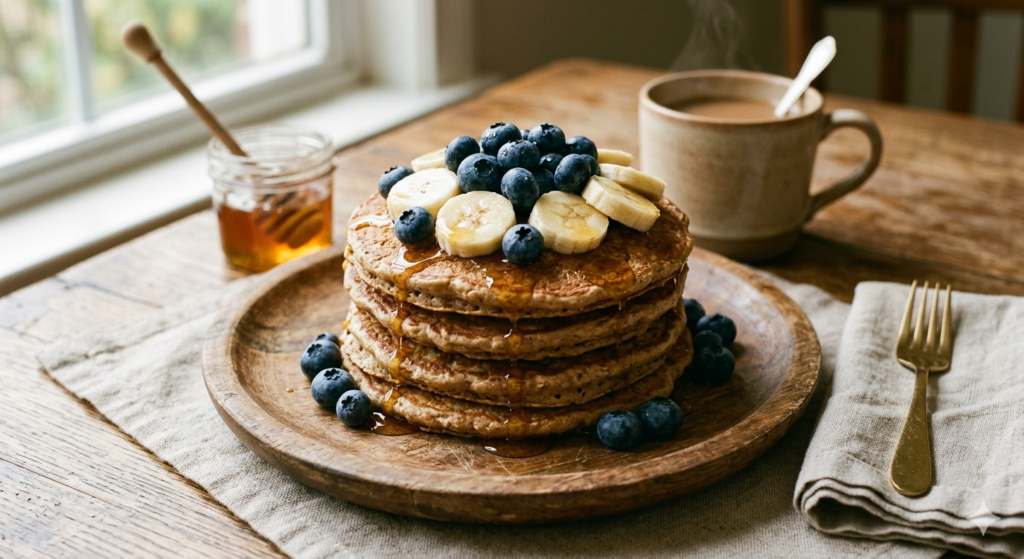
Replace the GF all-purpose flour blend with 1½ cups certified GF oat flour (or blend rolled oats in a food processor until fine). The result is a slightly denser, heartier pancake with a mild, nutty flavor. These pair beautifully with honey and fresh blueberries.
Variation 2: Gluten Free Oatmeal Pancakes
Use 1 cup GF all-purpose flour + ½ cup certified GF rolled oats. Soak the oats in the milk for 5 minutes before mixing the batter. This creates a rustic, oatmeal-style pancake with more textural interest — like eating oatmeal and pancakes at the same time, in the best way.
Gluten Free Swedish Pancakes (Pannkakor) — The Thin, Crepe-Style Version
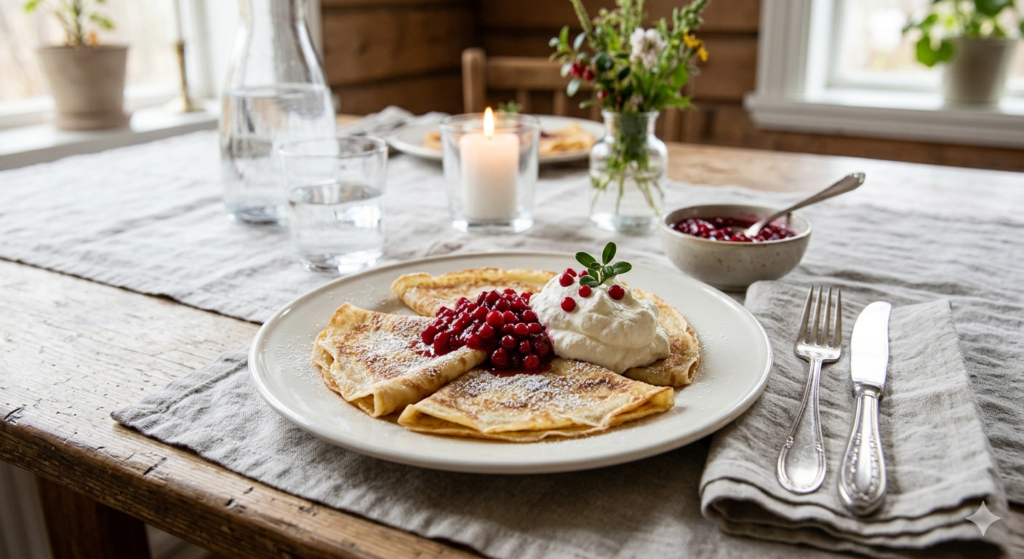
Swedish pancakes, or pannkakor, are the elegant, paper-thin cousin of the American-style stack. Rolled up with lingonberry jam or folded into quarters on a white plate, they’re as much a weekend ritual as they are a breakfast. And yes — gluten free Swedish pancakes are completely achievable with one simple swap in technique.
What makes them different: More eggs (3 instead of 2), more milk (1½ cups), less flour (1 cup), and butter instead of oil. The higher egg-to-flour ratio creates a thin, flexible batter that spreads across the pan rather than building up into a thick cake. These cook on medium-low heat and take only 60–90 seconds per side.
Swedish Pancake Ingredient List
- 1 cup GF all-purpose flour blend
- 3 large eggs
- 1½ cups milk (whole milk preferred)
- 2 tbsp melted butter, plus more for the pan
- 1 tbsp sugar
- ¼ tsp salt
Serving suggestion: Traditionally served with lingonberry jam and a generous dollop of whipped cream. Fold them into quarters or roll them up like crepes. They’re also stunning with maple syrup and fresh berries for a crowd-pleasing weekend brunch.
Expert Tips for the Fluffiest Gluten Free Pancakes Every Time
These tips separate good GF pancakes from truly exceptional ones. Most recipes cover one or two — here’s the complete list:
- Use room temperature eggs and milk. Cold ingredients don’t emulsify properly and can result in lumpy batter that doesn’t cook evenly. Take them out of the fridge 20 minutes before you start.
- Don’t overmix. Overmixing develops the starches in GF flour and creates a gluey, tough texture. Stir until the batter just comes together — lumps are completely fine and even desirable.
- Always rest the batter 5 minutes. This allows xanthan gum and other hydrocolloids to hydrate, leavening agents to begin working, and starch granules to absorb moisture. This step is non-negotiable.
- Use an electric griddle set to 350°F. Electric griddles maintain a consistent, even temperature across the entire surface — a huge advantage over a pan on the stovetop. No hot spots means no burnt edges with a raw center.
- Spoon and level your flour — never scoop. Scooping compresses the flour, which can add 20–30% more than the recipe calls for. Spoon flour loosely into the measuring cup, then level off with a straight edge for accuracy.
- Add 1 tsp apple cider vinegar for extra lift. Like buttermilk, apple cider vinegar reacts with baking soda to create additional carbon dioxide bubbles. This is especially useful when using a dairy-free or plant-based milk that lacks natural acidity.
- Chill batter for ultra-thick pancakes. If you want especially thick, restaurant-style pancakes, refrigerate the batter for 30 minutes after the initial 5-minute rest. The cold batter spreads less on the griddle and rises more dramatically when it hits the heat.
- Watch for the bubble-flip signal. Flip the pancake only when bubbles form across the entire surface and the edges look matte (not shiny and wet). This is how you guarantee a golden brown, fully cooked pancake every time.
Gluten Free Pancake Variations & Mix-Ins
Once you’ve mastered the base recipe, the world of GF pancakes opens up completely. Fold any of these into ¼ cup batter just before cooking:
- Blueberry: Add ½ cup fresh or frozen blueberries. Press a few extra into the top of each pancake after pouring batter. A kid-friendly weekend breakfast classic.
- Chocolate Chip: Fold in ⅓ cup mini chocolate chips. Use dairy-free chocolate chips to keep the recipe dairy-free.
- Banana: Mash 1 ripe banana and stir into the wet ingredients. Reduces sugar needed and adds natural sweetness and moisture. Pairs beautifully with maple syrup.
- Pumpkin Spice: Add ¼ cup pumpkin puree, 1 tsp cinnamon, ½ tsp ginger, and a pinch of nutmeg. A perfect fall brunch recipe.
- Lemon Poppyseed: Add 2 tbsp fresh lemon zest and 1 tbsp poppyseeds. Bright, fresh, and elegant — excellent for a weekend brunch spread.
- Cinnamon Apple: Fold in ½ cup finely diced apple and 1 tsp cinnamon. Tastes like apple pie in pancake form.
- Savory Scallion: Omit sugar and vanilla. Add ¼ cup sliced scallions, a pinch of garlic powder, and black pepper. Serve with sour cream and smoked salmon for an elevated brunch option.
How to Store, Freeze & Reheat Gluten Free Pancakes
One of the smartest things you can do with this recipe is double it. GF pancakes freeze beautifully and make for effortless weekday mornings.
Refrigerator
Store cooled pancakes in an airtight container for up to 3 days. Stack them with a small piece of parchment or wax paper between each pancake to prevent sticking.
Freezer
Layer cooled pancakes between sheets of parchment paper and place in a zip-top freezer bag. Remove as much air as possible before sealing. Pancakes will keep in the freezer for up to 2 months. Label the bag with the date.
Reheating
- Toaster: Best method for restoring crispness. Pop frozen pancakes directly from the freezer into the toaster on the medium-high setting. Ready in about 2 minutes.
- Microwave: Place 2 pancakes on a plate, cover with a damp paper towel, and microwave on medium power for 60–90 seconds. Quick and soft, though you’ll lose the crisp edges.
- Oven: Best for large batches. Place frozen pancakes in a single layer on a baking sheet. Bake at 350°F for 8–10 minutes. Keeps texture closest to fresh.
This freezer-friendly breakfast method makes gluten free eating on busy weekdays completely stress-free.
If you are new to homemade breakfast stacks, our detailed guide on how to make pancakes covers every technique from batter consistency to perfect flip timing — a great foundation before experimenting with gluten-free and alternative flour combinations. For another wholesome morning treat, our healthy cinnamon rolls recipe uses reduced sugar and whole-grain flour to deliver all the comfort of classic rolls with a much better nutritional profile. Discover more healthy and delicious breakfast recipes at MyRecipesCollections.
Gluten Free Pancake FAQ
These are real questions people search for on Google — here are detailed, accurate answers:
| Q: Can I make gluten free pancakes without xanthan gum?Yes — with a few adjustments. Xanthan gum provides structure and binding, so if you’re avoiding it, you’ll need a substitute. Psyllium husk (1 tsp per cup of flour) is the best alternative. Flaxseed meal (1 tbsp mixed with 3 tbsp water, rested 5 minutes) adds binding too. Note that your pancakes may be slightly more fragile and harder to flip without gum, so use a thin, wide spatula and handle gently. |
| Q: What is the best flour for gluten free pancakes?A GF all-purpose blend that already contains xanthan gum is ideal. Bob’s Red Mill 1:1 Baking Flour is our top recommendation for its texture, flavor, and wide availability. King Arthur Measure for Measure is excellent for a lighter pancake. Avoid single-ingredient flours (like rice flour or almond flour alone) — they lack the starch balance needed for the right texture without significant recipe modification. |
| Q: Why are my gluten free pancakes gummy?Gummy pancakes are almost always caused by one of three things: (1) undercooking — the starches haven’t fully gelatinized. Cook on lower heat for longer. (2) Too much starch in the flour blend. Switch to Bob’s Red Mill 1:1 or King Arthur. (3) Too much liquid in the batter. The consistency should be like thick yogurt — if it pours like water, add 2 more tablespoons of flour. |
| Q: Are gluten free pancakes safe for celiac disease?Yes — when made with certified gluten free ingredients. This means using a certified GF flour blend, certified GF baking powder (some brands contain starch derived from wheat), and certified GF oats if making the oat variation. Also ensure your griddle or pan hasn’t been used with wheat-based products — cross-contamination is a real risk on shared cookware. A dedicated GF pan is ideal for celiacs. |
| Q: Can I make gluten free pancakes dairy free?Absolutely. Replace milk with any plant-based milk — oat milk, almond milk, coconut milk, or soy milk all work well. Replace butter with a neutral oil like avocado or vegetable oil. The pancakes will taste slightly different but will still be fluffy and delicious. Oat milk produces the most similar texture to dairy milk. |
| Q: Can I make gluten free pancakes vegan?Yes! Replace each egg with a flax egg (1 tbsp ground flaxseed + 3 tbsp water, rested 5 minutes). Use plant-based milk and oil instead of butter. Vegan GF pancakes are slightly denser than the egg-based version, but the flavor is still excellent. Adding ½ tsp apple cider vinegar helps restore some of the lift you’d normally get from eggs. |
| Q: Why won’t my gluten free pancakes get fluffy?The most common reason is old baking powder. Baking powder loses potency after 6–12 months — test yours by dropping ½ tsp into hot water; it should bubble vigorously. Other causes: overmixed batter, skipping the 5-minute rest, or using a GF flour blend that doesn’t contain xanthan gum. Check all three before assuming the recipe is to blame. |
| Q: Can I use almond flour for gluten free pancakes?You can, but almond flour behaves very differently from a GF blend. It has no starch and much higher fat content, so you’ll need to increase eggs significantly (3–4 eggs for 1 cup almond flour) and expect a very different texture — denser, moister, and more fragile. Almond flour pancakes also brown much faster. They’re delicious but require a completely separate recipe. |
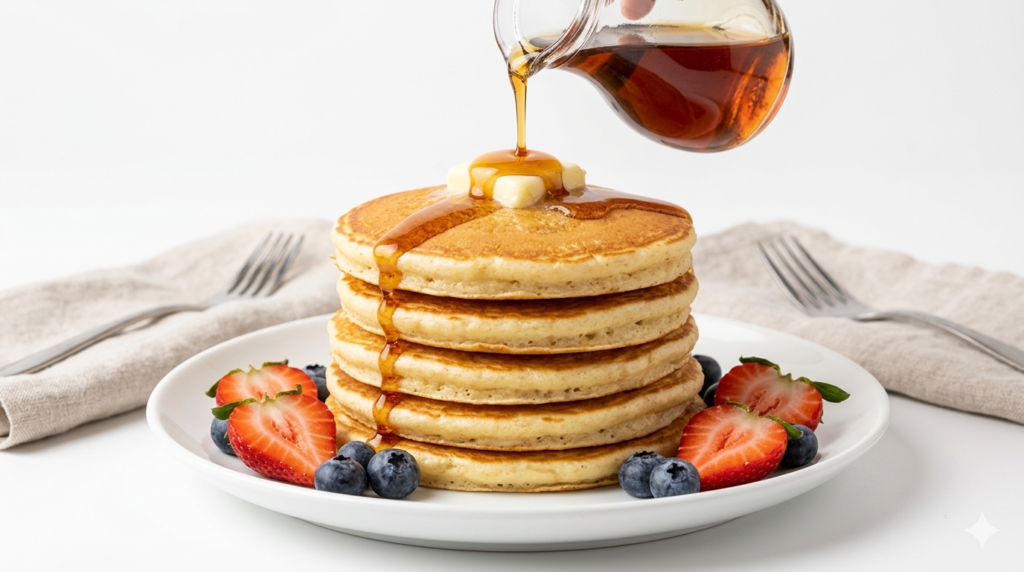
The Only Gluten Free Pancakes Recipe You’ll Ever Need
Whether you’re cooking for someone with celiac disease, managing a wheat allergy, or simply curious about gluten free baking, this guide has everything you need. From the classic fluffy stack to tangy buttermilk pancakes, hearty oat pancakes, and delicate Swedish pannkakor — you now have a complete weekend breakfast playbook that happens to be 100% gluten free.
The key takeaways: rest your batter, don’t overmix, use a quality certified GF flour blend, and cook at a steady 350°F. Follow these principles and you’ll have golden, fluffy, never-gummy pancakes every single time.
We’d love to hear how yours turned out! Leave a comment below with your results, ask any questions, and if these pancakes made your morning — share this recipe on Pinterest so other gluten free families can find it too. This is the only gluten free pancakes recipe you’ll ever need.
Hi, I’m Jamie! I’m a home cook turned recipe developer with a deep love for honest, approachable food. After years of experimenting in my own kitchen — and feeding anyone who’d sit still long enough — I started My Recipes Collections to share the dishes that have become staples at my table.
My recipes focus on bold flavors, simple techniques, and ingredients you can actually find at your local grocery store. Whether you’re a weeknight warrior or a weekend baker, there’s something here for you.

